

The Marshall Spectator
July 22, 2026


In This Issue:
From The Skittles Room
14th NY Intl. Games Analyzed, by GM Aleksandr Lenderman
14th NY Intl. Games Analyzed, by GM Michael Rohde
Chess Toons
En Passant
Problems, Problems, curated by Alexander George
Editor’s Note

Welcome back, fellow chess players, to this edition of the Marshall Chess Club’s fortnightly bulletin, The Marshall Spectator.
July has been a busy month at the Marshall Chess Club. We hosted the 2026 NY Marshall Summer Six Day Invitational FIDE Norm Round Robin, which was a huge success. Congratulations to Nathaniel Moor, who earned an IM norm for his phenomenal performance in the event, scoring 6.5 out of 9 in a competitive field.
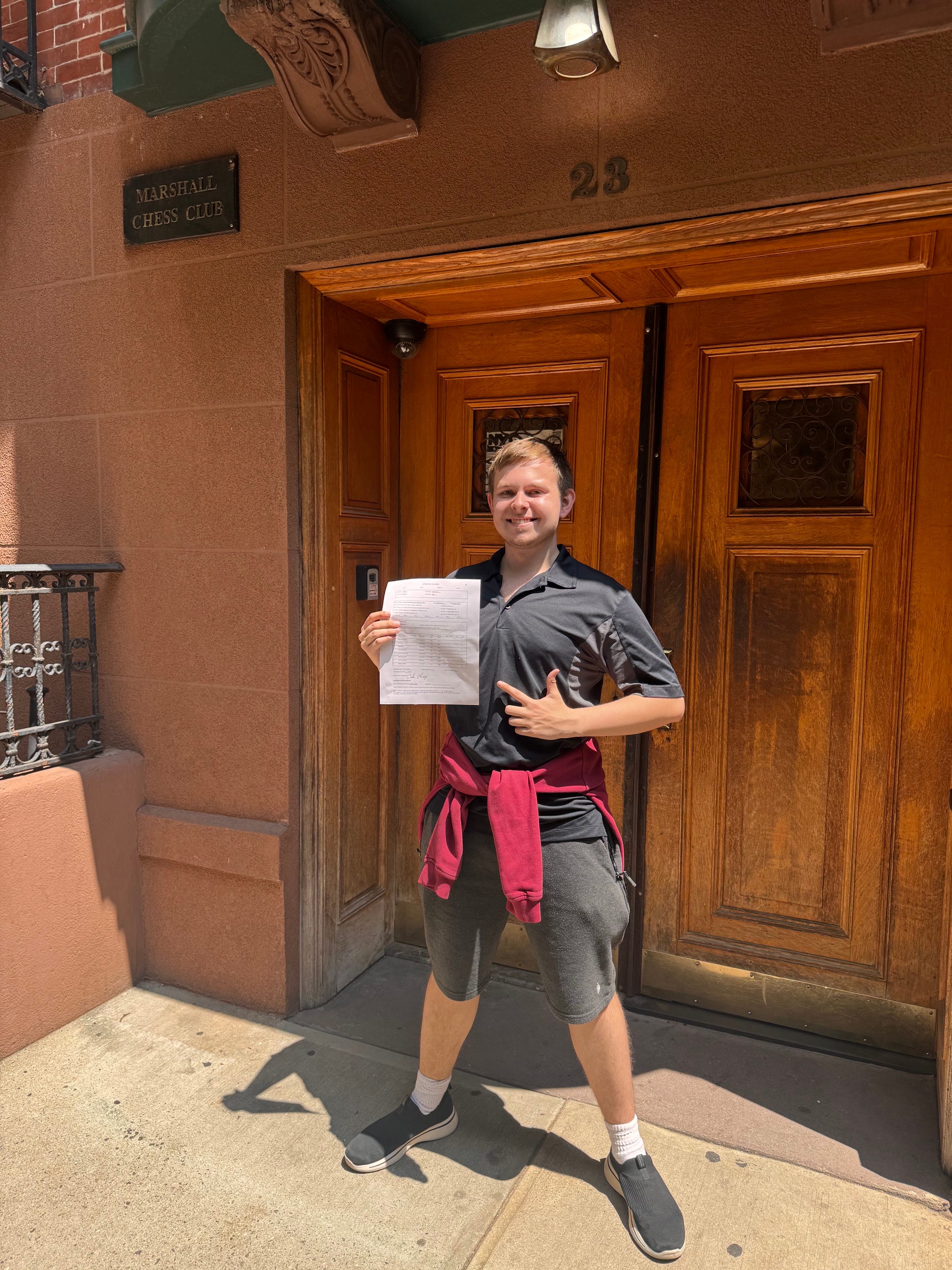
Immediately following the FIDE Norm Round Robin we held our 14th Annual New York International Chess Super Swiss, which featured a plethora of titled players from all over the world. If you missed it, you can play through the games on lichess and chesscom. Congratualtions to GM Safal Bora and GM David Brodsky who both finished with an impressive 7 out of 9 in an incredibly strong field.
In other summer news, our Summer Camps are going strong with GM Djurabek Khamrakulov onsite all summer long, as well as an additional GM for most weeks this summer! This means that the top two groups will receive GM instruction. If you haven’t registered yet, it’s not too late.
July 27, 28, 29, 30, 31 (GM Andrei Maksimenko)
August 3, 4, 5, 6, 7 (GM Elshan Moradiabadi)
August 10, 11, 12, 13, 14 (GM Elshan Moradiabadi)
August 17, 18, 19, 20, 21
August 24, 25, 26, 27, 28
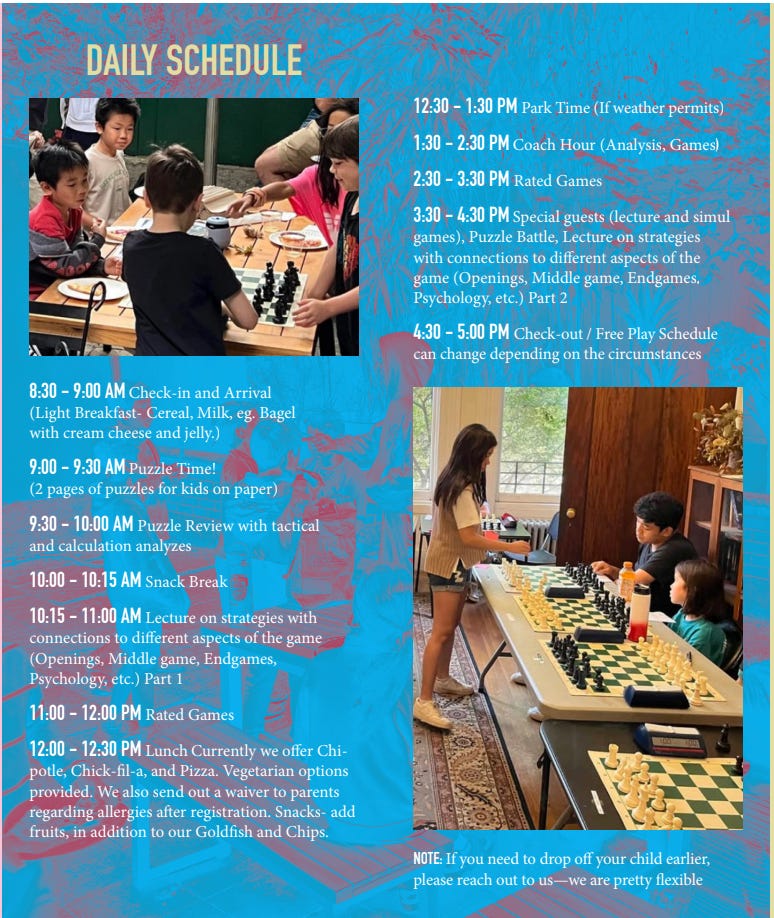
For all questions related to camp, please reach out directly to Kevin at kevinf@marshallchessclub.org
Looking back over the last two weeks, we have had a plethora of events for our members to participate in.
The Rated Beginner Open had 37 players registered and was won by the following players who scored a perfect 3 out of 3 to win $112.50 each: Alexander Poole, Marcus Massiah, Brooks Harris, and Jalil Williams.
The Sunday Game 50 Under 1600 had 11 players registered and was won by Jalil Williams who scored a perfect 4 out of 4 to win the $88 first place prize. Jonathan Katz scored 3 out of 4 to win $60, while Kenneth Mukun Ding and Sarvesh Sakthivel scored 2.5 out of 4 to win $23 each.
The Morning Under 1600 on July 12 had 21 players registered and was won by Joseph Daniel Totouom Tangho, Garry P Portugal, and Jonah Yuhn who scored 3 out of 3 to win $122.67 each.
The Sunday Game 50 Open on July 12 had 52 players registered and was won by Alisher Podavonov who scored a perfect 4 out of 4 to win $416, while IM Kevin Wang and IM Justin Sarkar scored 3.5 out of 4 to win $140.50 each. The following players won $71.67 each for their 3 out of 4 score: Adam Gordon, Hunter Choi Quirk, and Viaan Suthar.
The Morning Masters on July 11 had 16 players registered and was won by GM Michael Rohde who scored 3 out of 3 to win the $130 first-place prize, while FM Weiji Ma won $98 for their 2.5 out of 3 performance.
The Under 2000 Morning Action had 25 players registered and was won by Kenny Bollin and Milo James Kong who scored 3 out of 3 to win $153 each, while Nakshathra Sakthivel won $132 for their 2 out of 3 score.
The Saturday Game 50 Open had 36 players registered and was won by FM Justin Chen who scored a perfect 4 out of 4 to win $280, while FM Arun Dixit and IM Jay Richard Bonin scored 3.5 out of 4 to win $94.50 each. Rishan Malhotra scored 3 out of 4 to win $145.
The Saturday Game 50 Under 1800 had 28 players registered and was won by Aldar Badmaev, who scored 4 out of 4 to win $224. Sebastian Goodrich scored 3.5 out of 4 to win $152, while Harrison Fairgrieve scored 3 out of 4 to win $116.
The Friday FIDE Blitz had 76 players registered and was won by GM Aleksandr Lenderman who scored 8.5 out of 9 to win $504. IM Mykola Bortnyk and GM Andrew Tang scored 7 out of 9 to win $70 each. The following three FIDE Masters scored 6.5 out of 9 to win $42 each: FM Zachary Tanenbaum, FM Weiji Ma, FM Marcus Ming Miyasaka. Tim Shvarts, IM Jay Richard Bonin, CM Luc William Crim Hoffman and Luka Glinsky scored 6 out of 9 to win $31.50 each, while the following players shared in a class prize to win $42 each for their 5.5 out of 9 score. Charlotte Tai-En Chang, Pranav Reddy Marri, Jose De Villa, and Pranav Prasanna scored 5 out of 9 to win $31.50 each.
The Thursday Action on July 9 had 41 players registered and was won by three FIDE Masters: FM Daniel Girsh, FM Marcus Ming Miyasaka and FM Arun Dixit all scored 3.5 out of 4 to win $148.33 each. WIM Tianhao Xue and Sasha Arthur Kagle scored 3 out of 4 to win $51.50 each, while the following players won $34.33 each for their 2.5 out of 4 score: Benito Kestelman, Riju Bhattacharjee, John Elias Mekus.
We look forward to seeing you at the club soon!
14th NY Intl. Games Analyzed, by GM Lenderman
This year’s NY International ended in a tie for first between two GMs David Brodsky (last year’s clear winner) and Safal Bora. Both players showed combinations of very good opening prep, good strategical understanding, and good form (tactical sharpness). In the first round, already, Brodsky showcased a very nice opening idea on the Black side of the Kings Indian. Interestingly, I have personally encountered this idea for the first time in a recent tournament and I wasn’t aware of this idea until I faced it, which shows how strong Brodsky’s prep is.
You can play through the games with analysis here.
Round 1: Muthukumar, Haari - Brodsky, David
1. Nf3 Nf6 2. c4 g6 3. Nc3 Bg7 4. e4 d6 5. d4 Bg4 This is already a bit of a sideline, but the follow-up is truly a novel idea that I wasn’t familiar with until very recently. (5... O-O Of course, is the main line.)
6. Be2 Bxf3!? 7. Bxf3 e5 8. d5 h5 The point! Black is trading off their bad bishop more or less by force. Now, in order for White to obtain an advantage, they have to exhibit extremely precise play, which neither me, nor Brodsky’s opponent, Haari were able to show respectively.
9. O-O (9. Qb3!?) 9… Nbd7 10. Rb1 Bh6 Black already equalized despite White playing very natural moves. I did something similar and also got nothing and my game fizzled into a draw.
11. Bxh6 Rxh6 12. Qd2 Rh8 13. b4 Kf8 14. Bd1 Kg7 15. Ba4 Nb6 16. Bb3 a5 17. a3 Qe7 18. Rfc1 Nbd7 19. Qe3 axb4 20. axb4 c5 (20... h4!?)
21. dxc6 bxc6 22. Rd1 Ra3 23. Qd2 (23. Ba4!?) 23... Rb8?!
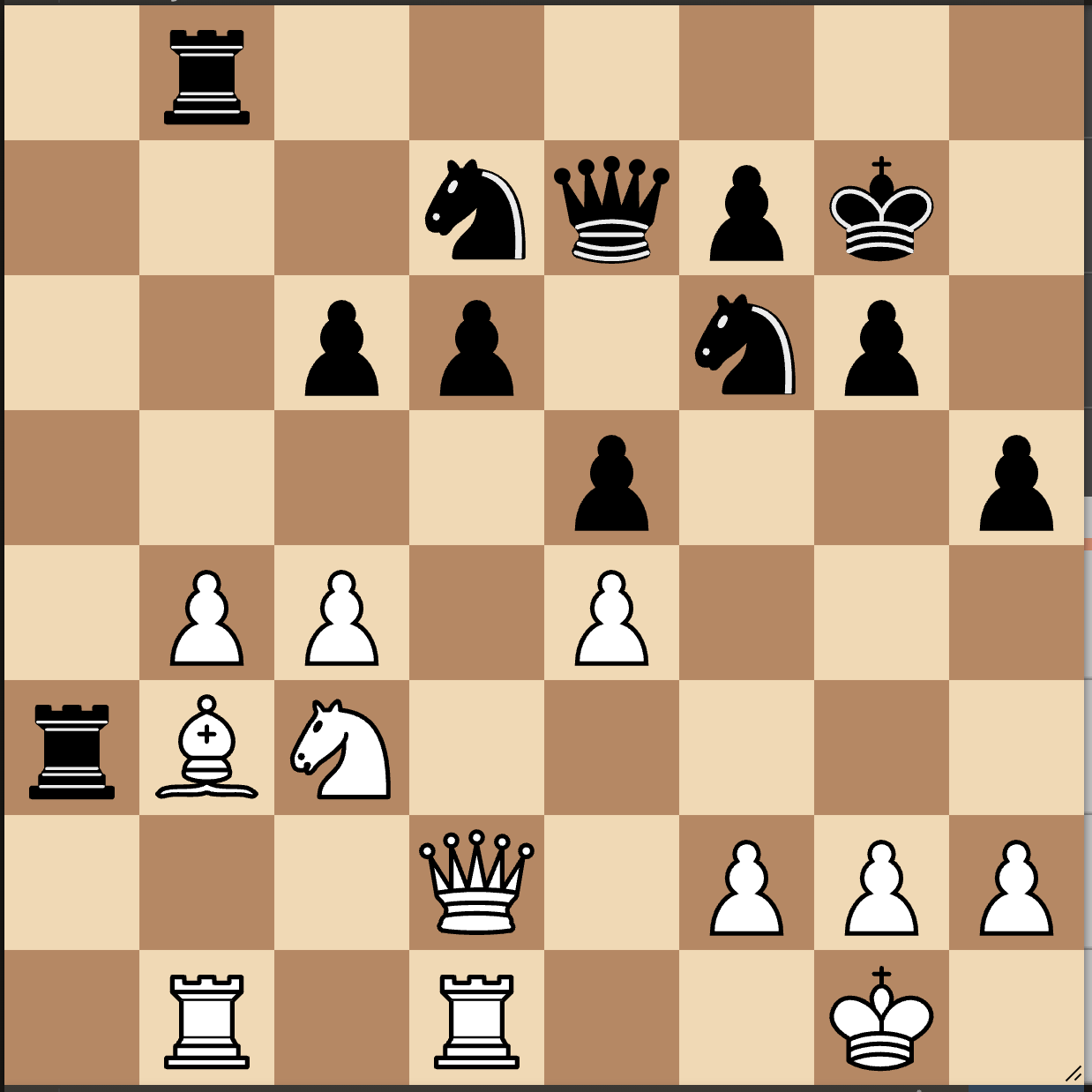
Inaccuracy. Rha8 was best. (23... Rha8)
24. b5? Mistake. Ba4 was best. Missing the unexpected chance to trade/activate his poor bishop. (24. Ba4! Now, in all the lines, White is the one slightly better and pressing without too much risk. 24... Nxe4 (24... c5 25. Bxd7 Qxd7 26. b5) (24... Nb6 25. Bxc6 Nxc4 26. Qc1) 25. Nxe4 Rxa4 26. Nxd6)
24... Nc5 Now, Black is better for the rest of the game because of White’s poor bishop and Black went on to win a good technical game.
25. Bc2 cxb5 26. Nxb5 Ra2 27. Qxd6 Qxd6 28. Nxd6 Rd8 29. Nf5+? Mistake. Rbc1 was best. 29…gxf5 30. Rxd8 Rxc2 31. exf5 e4?! Inaccuracy. Nfe4 was best.
32. h3 Nd3 33. Rf1 h4 34. Rd4 Kh6 35. f4?? Blunder. Rd8 was best.
35… Nh5 36. Rxe4 Ng3 37. Re8?! Inaccuracy. Re7 was best.
37… Nxf1 38. Rh8+ Kg7 39. Rxh4? Mistake. Rd8 was best.
39… Ne3 0-1 Black wins. 0-1
In the second game, Brodsky played against FM Zachary Tanenbaum. While the opening started slowly, the game later had very interesting fireworks.
Round 2: Brodsky, David - Tanenbaum, Zachary
1. e4 e5 2. Nf3 Nc6 3. Bc4 Nf6 4. d3 Be7 5. O-O O-O 6. Re1 d6 7. a3 h6 8. h3 Be6 9. Nbd2 Bxc4 10. Nxc4 Re8 11. b4 a6 12. Bb2 Bf8 13. Ne3 Qd7 14. c4 Ne7 15. Nh4 Rad8 16. Qf3 Nh7 17. Qg3 Ng5 18. Ng4 f5 19. exf5 Nxf5 20. Nxf5 Qxf5 21. h4 Nf7 22. Re3 Kh7 23. Rae1 Re6 24. Rf3 Qg6 25. Qh3 h5 26. Ne3
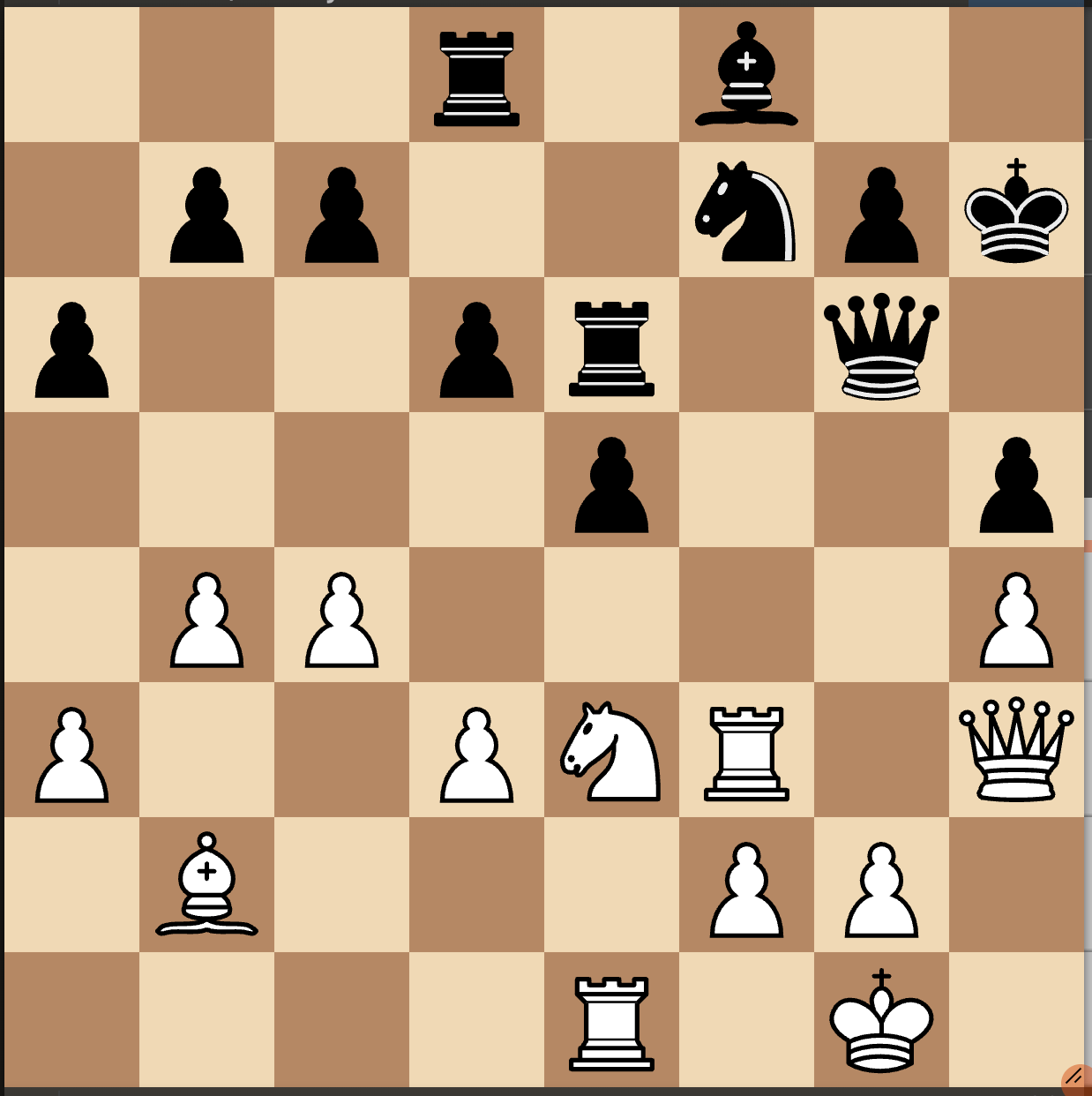
White put some pressure on Black in this game, but now, Black is the first one to make a big error.
26... c6? Mistake. Ree8 was best. (26... Ree8! Was the only non-losing option, but the line after it would’ve been complicated. 27. Nd5 c6 28. Nf6+ gxf6 29. Rg3 Ng5! Black would’ve needed to see this key defensive resource to go into this line safely, which isn’t easy from far away. (29... Qh6? 30. Qf5+ Kh8 31. Bc1 Qh7 32. Qxf6+ Bg7 33. Qxf7) 30. hxg5 f5 (30... fxg5))
27. Rg3! Qh6? Mistake. Qf6 was best. (27... Qf6 28. f4!)
28. Bc1 Qf6 29. Nf5?? Blunder. Nd5 was best. This was still promising for White, but White had a knockout here. (29. Nd5!! cxd5 30. Bg5! Nxg5 31. hxg5 Qg6 32. f4! The key move which makes the whole variation work. Without f4, White would be worse/losing. Now, White is winning by force in all the lines. 32... exf4 (32... Qe8 33. cxd5 Re7 34. g6+ Kh6 (34... Kg8 35. Qxh5) 35. Rg5) 33. Rxe6)
29… g6 30. Nd4 Ree8?? Blunder. Re7 was best. (30... Re7 Was forced. It looks bad for Black since it looks like they lose material but thanks to some concrete tactics, they can still get a playable positions. Of course, in time pressure, these resources are very hard to spot. 31. Rf3 exd4! (31... Qh8 32. Ne6) 32. Rxf6 Rxe1+ 33. Kh2 Ne5! 34. Bg5 Bg7! 35. Kg3! Bxf6 36. Bxf6 Re8 37. Bxe5 R8xe5 38. Qd7+ Re7 39. Qxd6 Rf7 Still with good holding chances.)
31. Rf3 Now White wins by force.
31… Qe7 32. Ne6 Qxe6 33. Qxe6 Rxe6 34. Rxf7+ Kg8 35. Rxb7 White simplified to a totally winning endgame.
35… d5 36. Bg5 Ra8 37. a4 Ree8 38. Rb6 dxc4 39. dxc4 Rac8 40. a5 Rb8 41. Rxc6 Bxb4 42. Rd1 Be7 43. Rd7 Kf8 44. Rxg6 Rbc8?! Inaccuracy. Bxg5 was best. 45. Rh6 Kg7 46. Re6 1-0 White wins. 1-0
After another win in round 3 and a couple of solid draws in rounds 4-5, Brodsky went back to his winning ways on day 4 of the tournament, starting with this round 6 game against IM Mykola Bortnyk, the reigning Marshall Champion. This was an exciting tactical battle, in which White got the better of Black.
Round 6: Brodsky, David - Bortnyk, Mykola
1. e4 c5 2. Nf3 e6 3. d4 cxd4 4. Nxd4 Nc6 5. Nc3 Qc7 6. Be2 Nf6 7. Ndb5 Qb8 8. f4 a6 9. e5 axb5 10. exf6 gxf6 (10... b4 Is more accurate according to the engine. 11. fxg7 Bxg7 12. Nb5 d5)
11. Nxb5 Na7 12. O-O Nxb5 13. Bxb5 Bc5+ 14. Kh1 Strong opening prep once again, gave Brodsky a very nice position.
14... f5?!
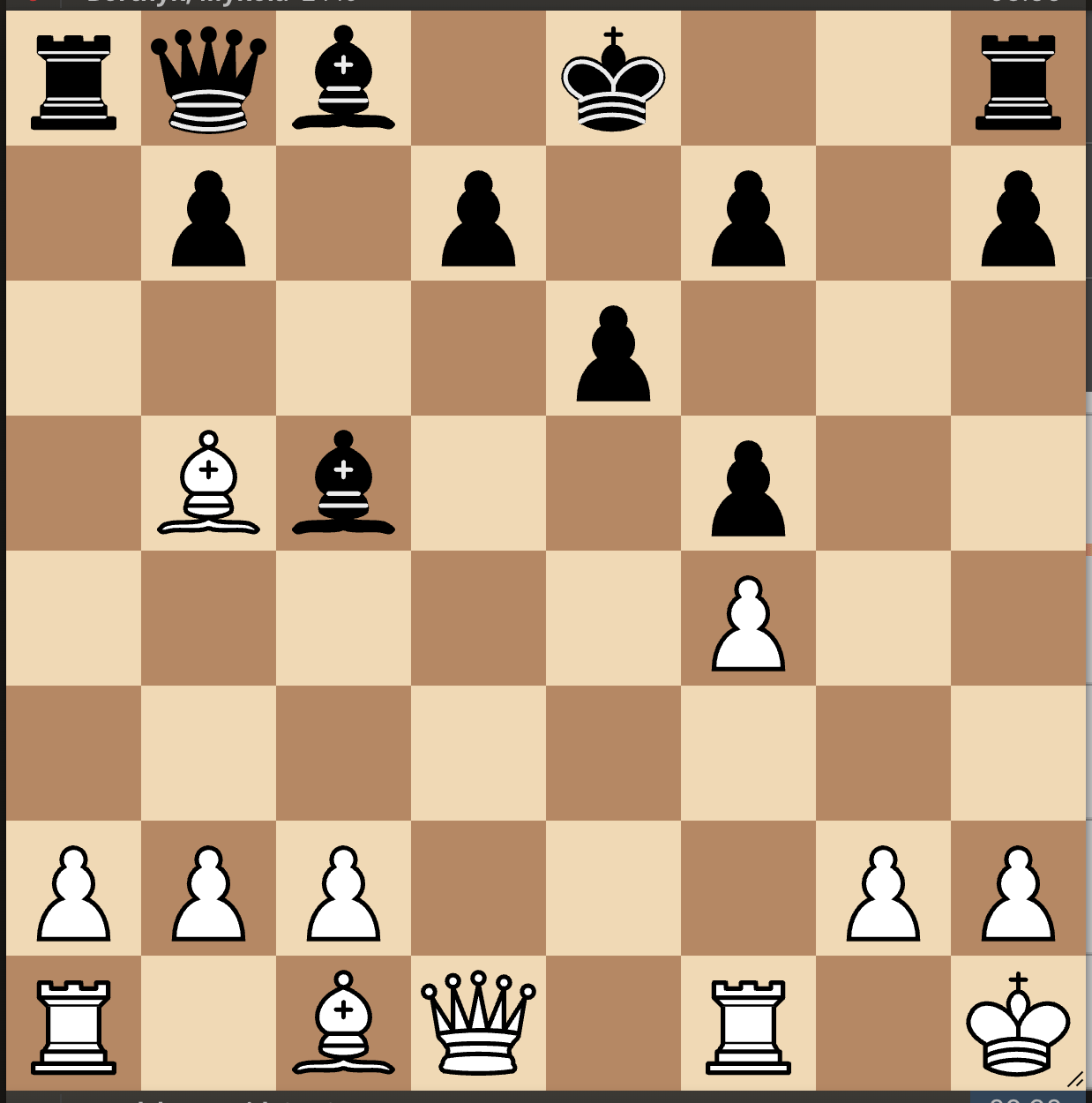
Inaccuracy. b6 was best.
15. Rf3?! Inaccuracy. b4 was best. (15. b4 Was even stronger!)
15... Rg8 16. c3 b6 17. b4 Bd6 18. Be3 Bb7 19. Rg3 Rxg3 20. hxg3 Ke7 21. Qh5 Qg8 22. Qh4+ f6? Mistake. Ke8 was best. (22... Ke8 23. Rd1 Bd5 24. c4 Be7! Was more tenacious for Black.)
23. Bxb6 e5?? Blunder. Ra3 was best.
24. Rd1 Bd5 25. c4 Be6 26. c5 Bb8 27. c6 dxc6?! Inaccuracy. d5 was best.
28. Bd8+ Qxd8 29. Qxh7+ Bf7 30. Rxd8 cxb5? Checkmate is now unavoidable. Kxd8 was best.
31. Qh8 1-0 White wins. 1-0
In round 7, Brodsky played the co-leader at that time, IM Roman Pyrih. This game was a complex fight with chances for both sides. In the end, Brodsky came out on top.
Round 7: Brodsky, David - Pyrih, Roman
1. d4 d5 2. c4 e6 3. Nc3 Nf6 4. cxd5 exd5 5. Bg5 c6 6. e3 Be6 7. Bd3 Nbd7 8. f3 Be7 9. Nge2 Nh5 10. Bxe7 Qxe7 11. a4 a5 12. Qb3 Qb4 13. Qc2 g6 14. g4 Ng7 15. Nf4 O-O-O 16. Kf2 h5 17. g5 Kb8 18. Na2 Qd6 19. b4
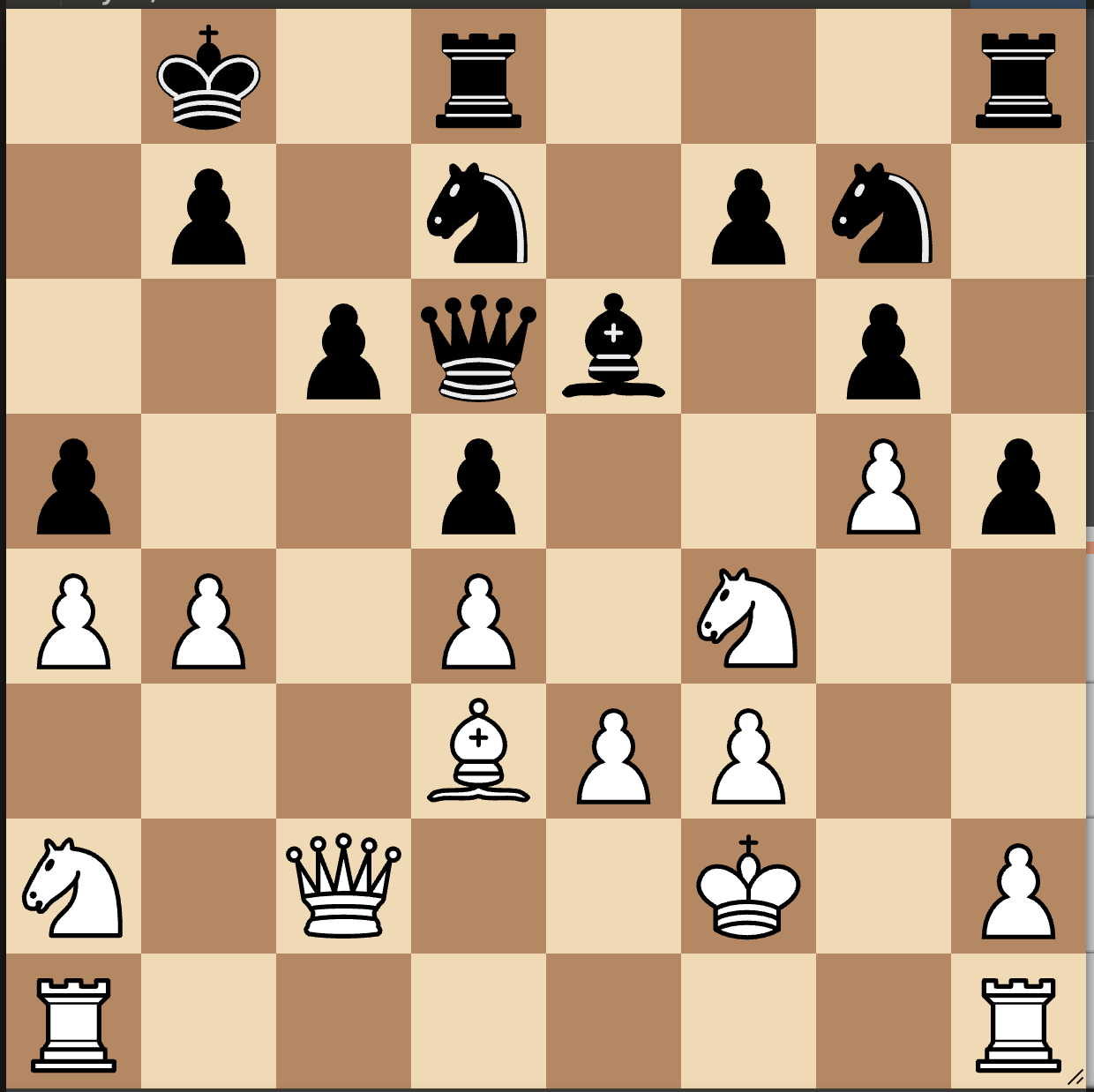
This position is equal according to the engine but White has the initiative and it is more difficult for Black to play than for White.
19... axb4?! Inaccuracy. Bf5 was best. (19... Bf5 20. bxa5 Rhe8! Was the key idea! Black needed to go for quick counterplay. That was more important than material (the a5 pawn) in such a sharp position. 21. Qb2 Rxe3! 22. Ba6 b6 23. Ng2 (23. Kxe3 Re8+ 24. Kf2 Qxf4 Would lead to a super powerful attack for black.) 23... Ree8 With a very messy unclear position.) (19... Rhe8 20. bxa5 Bf5 Would also work the same way.)
20. Rab1 c5 21. dxc5 Nxc5 22. Nxb4 Ka8 23. Rhc1 Rc8 24. Qb2 Nf5? Mistake. d4 was best.
25. Kg1?? Blunder. Rxc5 was best. Now, White misses a golden opportunity to land a knockout punch. (25. Rxc5!! Qxc5 26. Nbxd5! The point 26... Bxd5 27. Nxd5 Qxd5 (27... Nd6 28. Nb6+ Ka7 29. Nxc8+) 28. Be4)
25... Nxe3 Now, Black is suddenly back in the game.
26. Nxe6 fxe6 27. Na2?! Inaccuracy. Qd4 was best. (27. Qd4)
27... Rh7?! Inaccuracy. Nc4 was best. (27... Qb8!! After this subtle engine move, Black would even be better.)
28. Qd4 Nf5 29. Bxf5 e5?! (29... exf5)
30. Qb4 gxf5 31. Qa5+ Kb8 32. Nb4 Rhc7?? Blunder. e4 was best. Seems natural but it loses. (32... e4)
33. Kg2! The winning idea since now, Rxc5 is a threat with Qxc5 wouldn’t come with check anymore.
33… b6 34. Na6+ Kb7 35. Nxc7 Rxc7 36. Qb5 e4 37. a5 Qf4 38. Qxb6+ Kc8 39. Qb8+ Kd7 40. Qb5+ Rc6?! Inaccuracy. Ke7 was best. 41. Qe2 Rg6? Mistake. h4 was best.
42. Kh1 Nd3 43. Rf1 Rxg5 44. a6 Rg8 45. a7 Ra8 46. Qa2 Qd6 47. fxe4 fxe4 48. Rb7+ Ke6 49. Qg2 Nf4? Checkmate is now unavoidable. Ne5 was best.
50. Qg7 Rf8 51. a8=Q 1-0 After this very clutch win, Brodsky finished with two very solid draws (both with Black), including against the co-winner Safal Bora in round 8. These two draws guaranteed Brodsky a minimum of share first. Ultimately, GM Safal Bora won his last round game against IM Mykola Bortnyk and joined Brodsky in share first.
After the loss in round 6 to Brodsky, Bortnyk bounced back with two wins in a row, and now, with a win, he’d tie for first with Brodsky. However, the game didn’t really go his way, where very quickly he found himself in an unpleasant endgame, which eventually, Safal Bora grinded a win in.
Round 9: Bortnyk, Mykola - Bora, Safal
1. e4 e6 2. d4 d5 3. Nd2 c5 4. exd5 Qxd5 5. Ngf3 cxd4 6. Bc4 Qd6 7. O-O Nf6 8. Nb3 Nc6 9. Nbxd4 Nxd4 10. Qxd4 (10. Nxd4 Is considered to be more challenging.)
10... Qxd4 11. Nxd4 Bd7 12. Bf4 Bc5 13. Rad1 O-O 14. Rfe1 Rac8 15. Bb3 a5 16. a4 Rfd8 17. c3 Be8
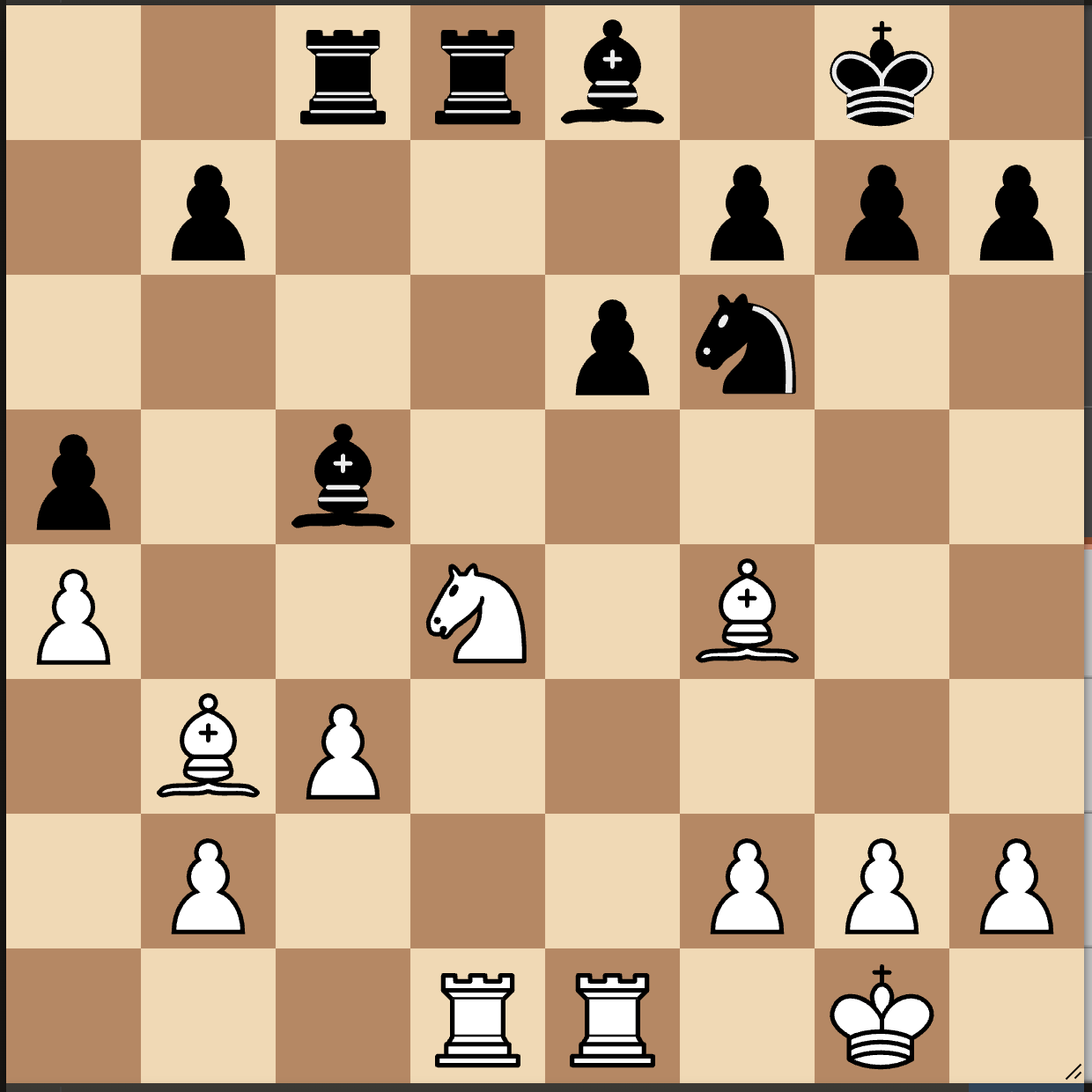
The position is around equal but here White should probably keep the tension with a move like g3 or h4. However, White embarks on an ambitious but incorrect plan, which nets Black the bishop pair, leaving White suffering in an unpleasant endgame.
18. Nb5 (18. h4) (18. g3) (18. h3) 18… Rxd1 19. Rxd1 Ne4 20. Bg3?! (20. Nd4 It was still not too late to go back.)
20... Nxg3 21. hxg3 Kf8 This endgame is very unpleasant for White because Black has a central pawn majority and the bishop pair. Meanwhile, White doesn’t really have a lot of counterplay. Eventually, Black was able to win a very nice endgame.
22. Kf1 Ke7 23. Bc2 Rd8 24. Rxd8 Kxd8 25. Be4 b6 26. g4 g6 27. Ke2 f5 28. gxf5 exf5 29. Bd5 (29. Bd3)
29... g5 30. Be6?! Inaccuracy. g3 was best.
30… f4 31. Bf5?! Inaccuracy. b3 was best.
31… h5 32. f3 Ke7 33. Kd3 Kf6 34. Be4 g4 35. b4 Bg1 36. c4? Mistake. fxg4 was best.
36… axb4 37. Nc7 Bxa4 38. Nd5+ Kg5 39. Nxb4? Mistake. fxg4 was best.
39… g3 40. Ke2 h4 41. Kf1 Bc5 42. Nc6 Kf6 43. Nb8 Ke5 44. Nc6+ Kd6 45. Nd8 Ke7 46. Nc6+ Kd6 47. Nd8 Bd7 48. Nf7+ Ke7 49. Ng5 Kf6 50. Nh3 Ke5 51. Bh7 b5 52. Ng5 bxc4 53. Bc2 c3 54. Bd3?? Checkmate is now unavoidable. Nh3 was best.
54… Bb5 A very impressive technical grind by Bora, which allowed him to share first with Brodsky. 0-1
In addition to the last round win against Bortnyk, I also liked some of other games from Bora, like a very nice technical win over IM Yury Lapshun.
Round 5: Bora, Safal - Lapshun, Yury
1. Nf3 d5 2. g3 Nf6 3. Bg2 c6 4. O-O Bf5 5. c4 e6 6. cxd5 exd5 7. d3 Be7 8. Qb3 Qb6 9. Qc2 O-O 10. Nc3
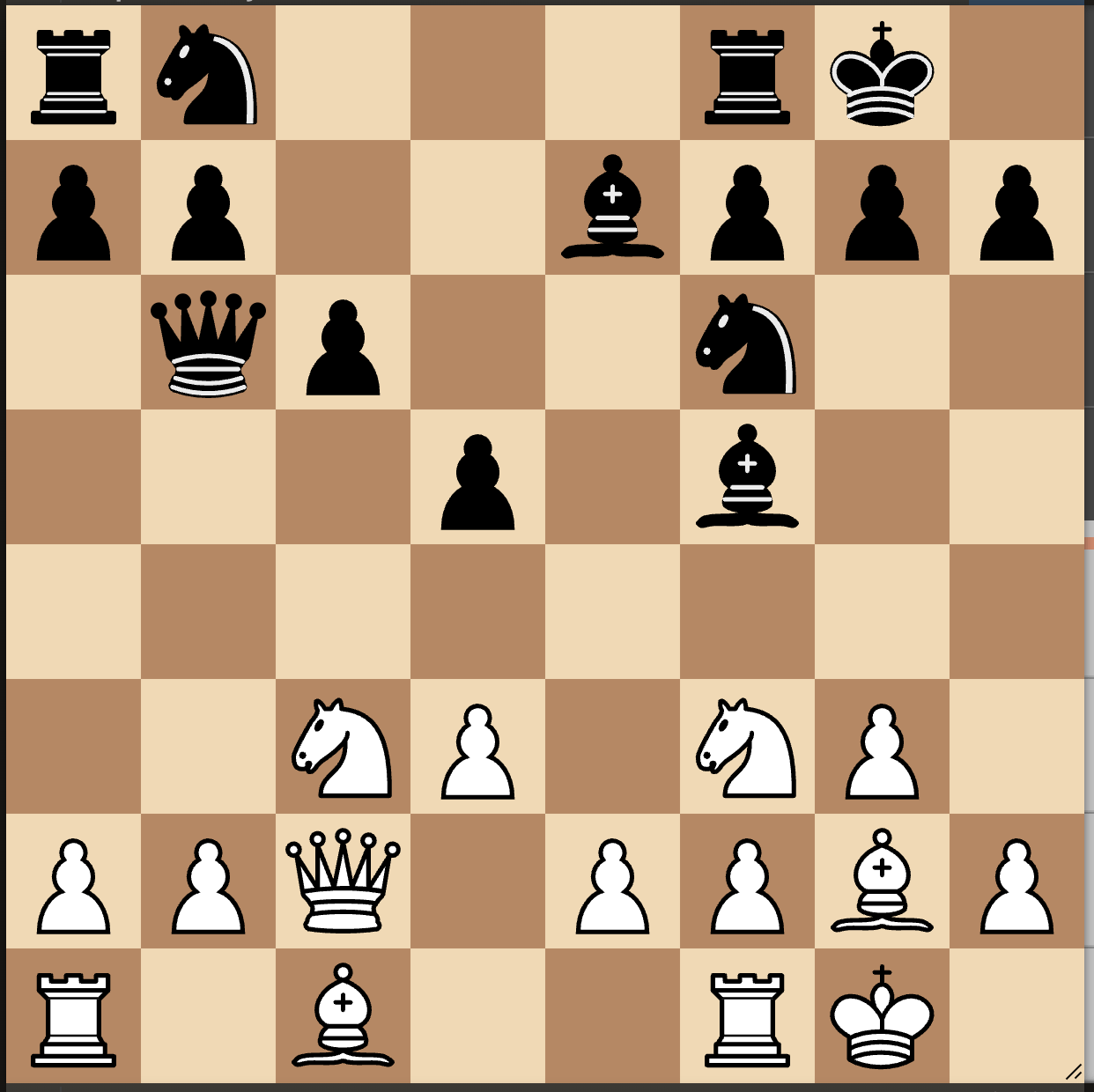
10... d4?! Inaccuracy. Bg4 was best. Likely, too weakening. (10... Na6)
11. Na4 Qd8 12. Nc5 Bg4 13. Nb3 Now, Black is forced to give up the bishop pair.
14… Bxf3 14. Bxf3 Qd7 15. Qc4 Rd8 16. Bd2 Ne8 17. Ba5!? Very interesting idea, trying to induce another weakness.
17… b6 18. Bd2 Bf6?! Inaccuracy. a5 was best.
19. Rac1 Nd6 20. Qa4 b5 21. Qa3 Nb7 22. Nc5 Nxc5 23. Qxc5 Be7 24. Qc2 Rc8 25. a4 a6 26. Ra1 b4 27. Qc4 a5 28. Bf4 Na6?! Inaccuracy. Ra7 was best.
29. Be5 Bc5 30. Rac1 Re8 31. Bf4 Ra7 32. Rc2 Qb7 33. Qb3 Qb6 34. Rfc1 Rae7?! Inaccuracy. h6 was best.
35. Bd6! In an already strategically dominant position, White finds a nice tactical solution to win material. Usually tactics come from good piece placement.
35... Re5 (35... Bxd6 36. Rxc6) 36. Bxe5 Rxe5 37. Kg2 Black is nowhere near building a fortress here, and White converted it very nicely.
37… Nb8 38. Rc4 g6 39. Qd1 Nd7 40. e4 h5 41. b3 Nb8 42. Qc2 Bf8 43. Bd1 c5 44. f4 Re6 45. e5?! Inaccuracy. Rxc5 was best.
45…Nd7 46. Bf3 Qd8 47. Qf2 Nb6 48. Rxc5 Bxc5 49. Rxc5 Kg7 50. Rxa5?! Inaccuracy. Be4 was best.
50... g5? Mistake. Qc7 was best.
51. f5 Re8 52. f6+ Kh6?! Inaccuracy. Kh8 was best. 53. Be4 1-0 White wins. 1-0
In this game, Bora got an unexpected tactical chance which he didn’t miss.
Round 6: Dushyant Sharma - Bora, Safal
1. e4 e6 2. d4 d5 3. exd5 exd5 4. Bd3 c5 5. c3 cxd4 6. cxd4 Nc6 7. Nf3 Bg4 8. O-O Be7 9. h3 Bxf3 10. Qxf3 Nxd4 11. Qg3 Bf6 12. Nc3 Ne7 13. Bg5 Bxg5 14. Qxg5 Ne6 15. Bb5+ Kf8 16. Qh4 h5 17. Rad1 Rh6 18. Rfe1?! (18. Bc4)
18... Qd6
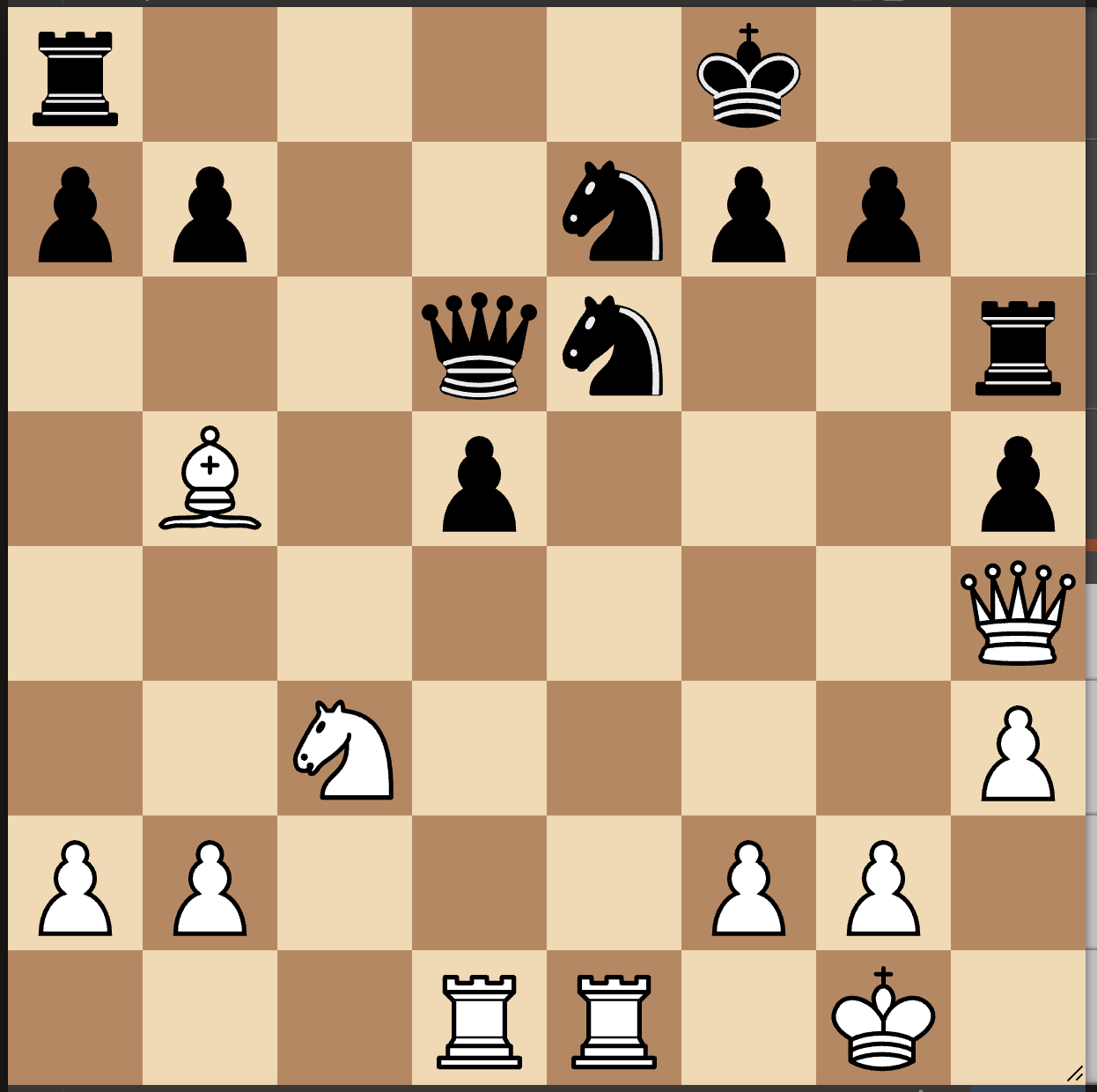
Black is already doing well up a pawn, and here, White makes an abrupt game losing blunder.
19. Bc4?? Blunder. Qa4 was best.
19… Nf5 20. Rxe6 Qxe6 0-1 Black wins. 0-1
This game against GM Molner was also a nice game by Bora, where he combined very good opening prep, and very good dynamic play. His passed pawn ended up proving decisive.
Round 7: Bora, Safal - Molner, Mackenzie
1. d4 Nf6 2. c4 b6 3. Nc3 Bb7 4. Qc2 d5 5. cxd5 Nxd5 6. Nf3 e6 7. e4 Nxc3 8. bxc3 Be7 9. Bb5+ c6 10. Bd3 c5 11. O-O cxd4 12. cxd4 O-O 13. Bb2 Nd7 14. Rad1 Rc8 15. Qe2 Qc7 16. d5 White takes a concrete approach which paid off in the game. (16. Nd2!?)
16... exd5 17. exd5 Bf6 18. d6 Qc5 19. Bxf6 Nxf6 20. Ne5
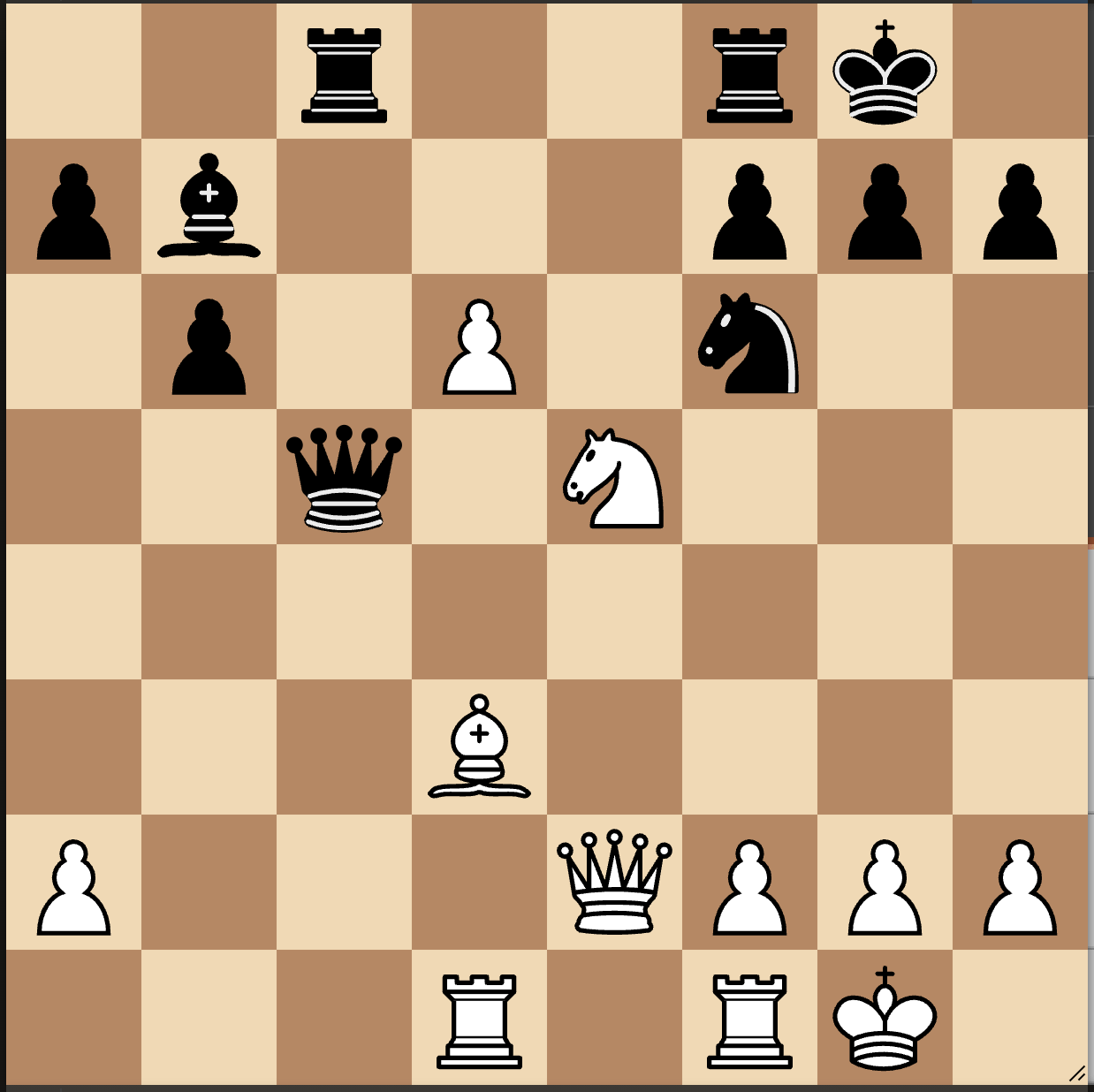
20… Rcd8? Mistake. Rce8 was best. All it took for Black is one subtle error to get a losing position, after which Bora converts the advantage ruthlessly. (20... Rce8! Was necessary. White would likely continue 21. Rfe1 Re6 22. d7 Nxd7 23. Bxh7+ Kxh7 24. Rxd7 With a roughly equal position.)
21. d7! Bd5 22. Bf5 g6 23. Bh3 Ne4 24. Rc1 Qd4 25. Nf3 Qg7 26. Rfd1 Ba8 27. Nd4 Nc5 28. Nb3 f5 29. Nxc5 bxc5 30. Qe6+ Qf7 31. Qd6! Black simply can’t get rid of White’s powerful passer anymore.
31... c4? Mistake. Qxa2 was best.
32. g3 Qf6 33. Rxc4 Bf3 34. Rdd4 Qxd6 35. Rxd6 Kf7 36. Bg2 Ke7 37. Rcd4 Bxg2 38. Kxg2 Rf6?! Inaccuracy. Rb8 was best.
39. Rxf6 Kxf6 40. Kf3 Ke5 41. Rd3 g5 42. h4 gxh4 43. gxh4 h5 44. a4 a5 45. Rd1 Now, Black has no choice to either allow the White king to invade or for the pawn to promote. A very nice game for Bora, which put him in prime contention for first place with two rounds to go. 1-0
GM Aleksandr Lenderman, Marshall Spectator Contributor
14th NY Intl. Games Analyzed, by GM Michael Rohde
There were two games that caught my eye as I was playing in the 14th New York International this past week: Round 6 GM Leonid Yudasin vs FM Joshua Colas and Round 9 IM Bryan Enming Lin vs FM Joshua Colas.
You can play through the games here.
Both games began in the same way, in the somewhat fashionable variation of the Sicilian with 1.e4 c5 2. Nf3 Nf6
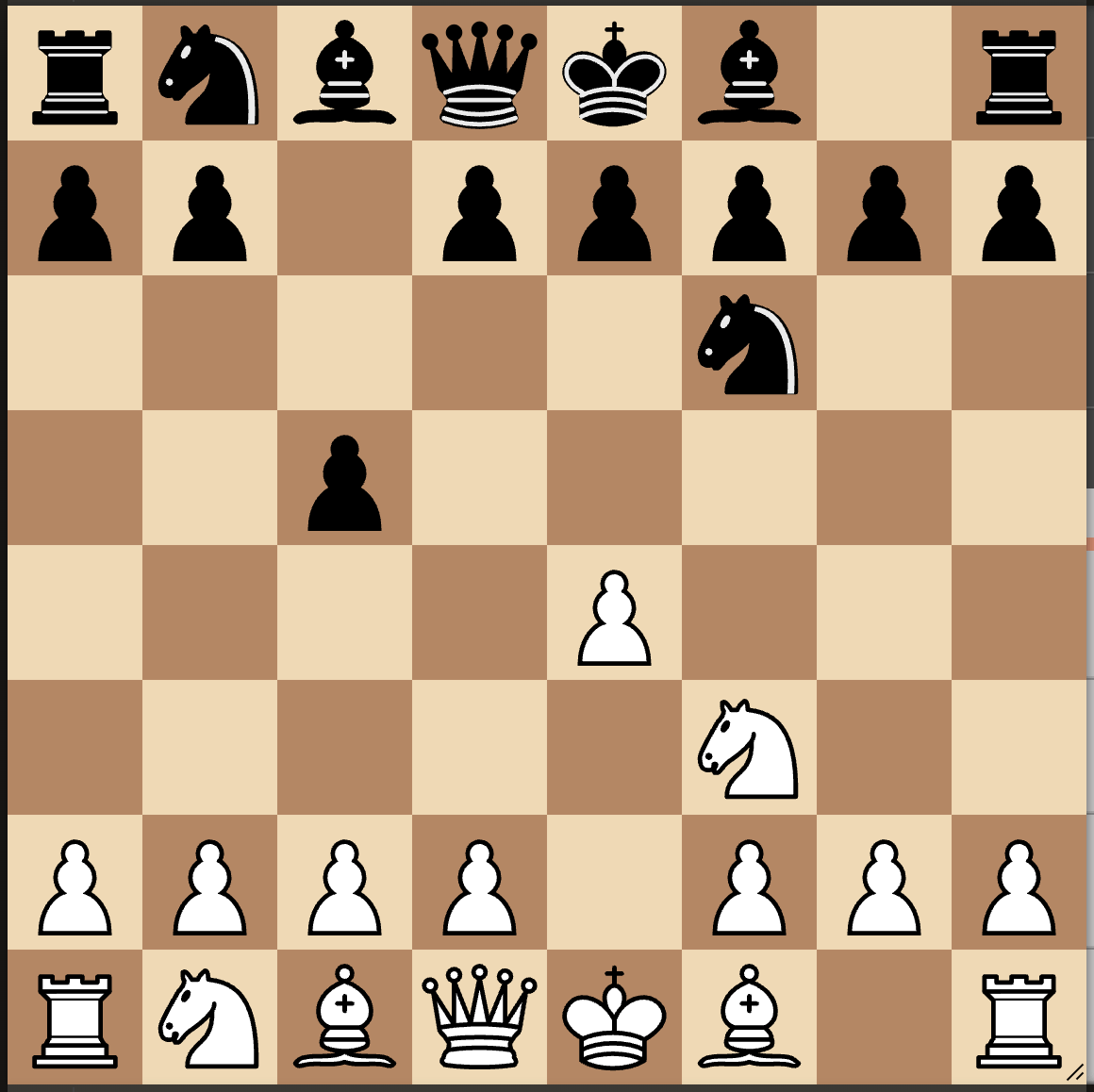
3. e5 Nd5 4. Nc3 e6 5. Nxd5 exd5 6. d4 Nc6 7. dxc5 Bxc5 8. Qxd5 Qb6 9. Bc4 Bxf2+ 10. Ke2 O-O 11. Rf1 Bc5 12. Ng5 Nxe5 and both games reached the position below.
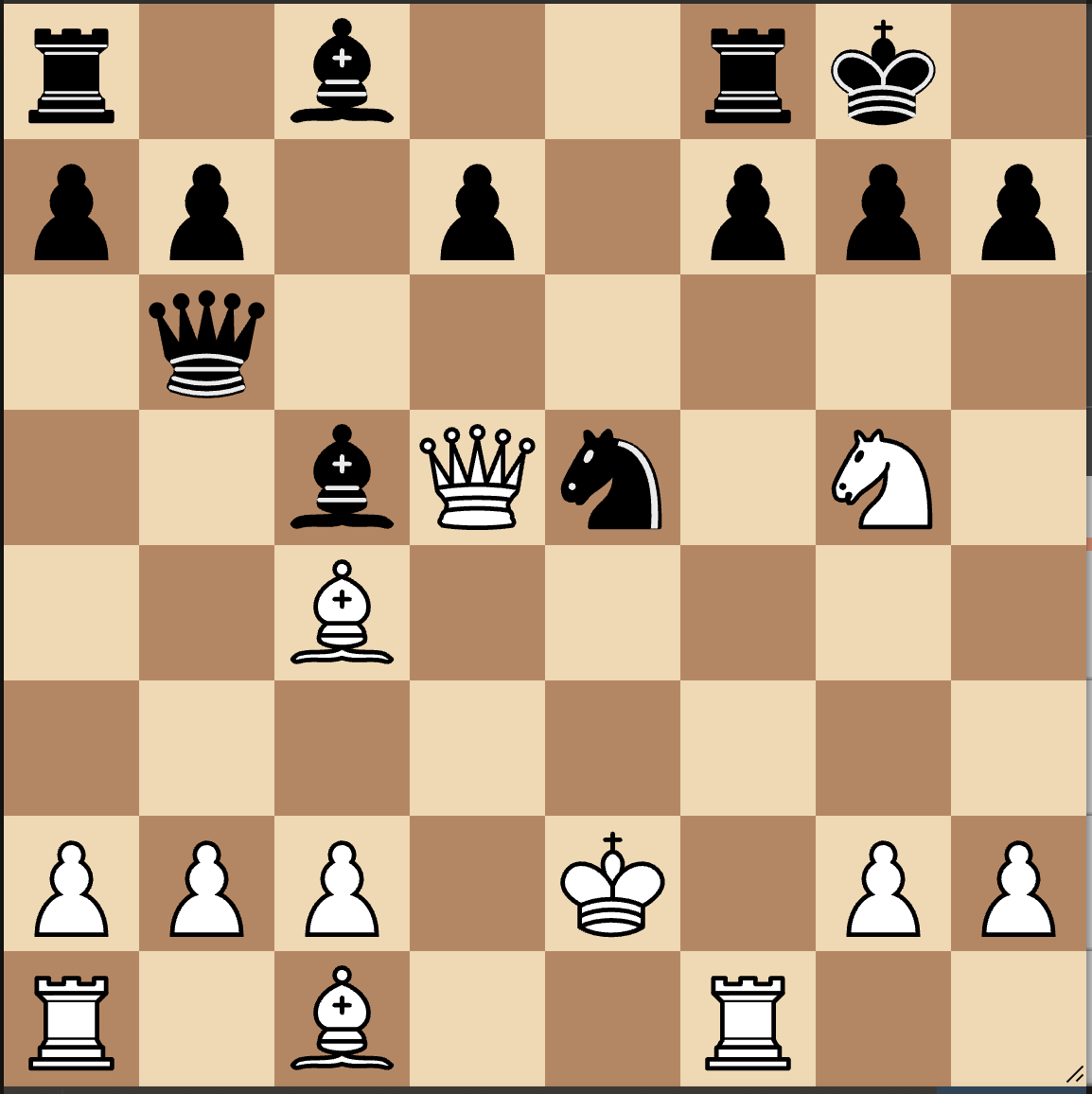
Here, Yudasin chose an approach that led to an interesting perpetual: 13.Qxe5 d5 14.Bxd5 Bg4+ 15.Kd3 Rfe8 16.Nxf7 Rxe5 and draw agreed as the perpetual now cannot be avoided.
Just a few rounds later, Bryan Enming Lin faced Joshua Colas with the White pieces and must have noticed this position in his quick preparation before the round, because he decided to play the same opening and reached the exact same position as in the diagram above. However, Bryan decided to avoid the line leading to a perpetual and instead enter an endgame.
13. Nxf7 Nxf7 14. Rxf7 Qe6+ 15. Qxe6 dxe6 16. Rxf8+ Bxf8
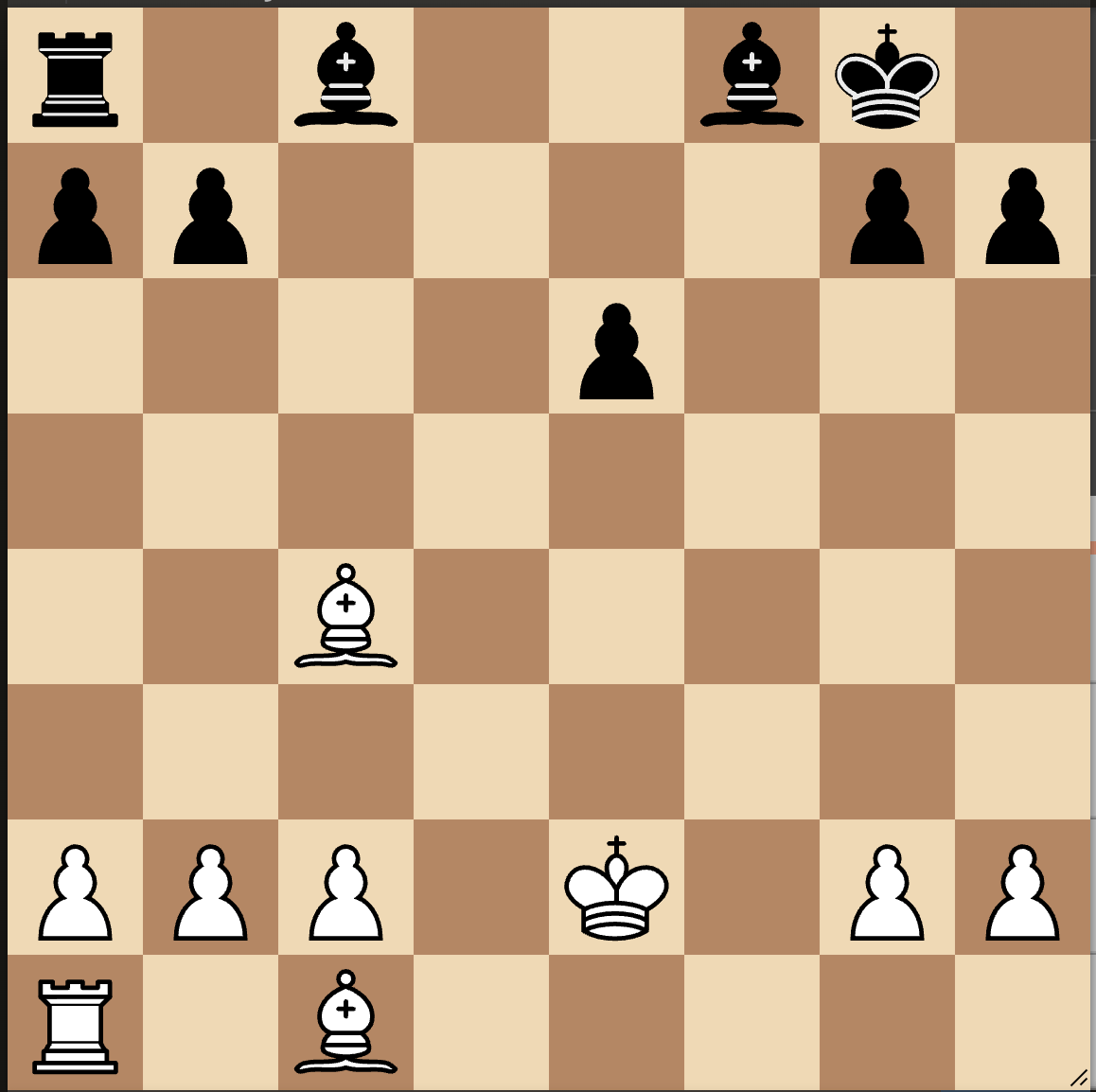
The material is equal, but White’s queenside 3 to 2 majority offers White some chances to play for a win in this ending.
17. Be3 a6 18. Bb6 Bd7 19. Rd1 Bb5 20. Bxb5 axb5 21. Rd7 Rxa2 22. Bd4 b6 23. Rb7 b4 24. Rxb6 Kf7 25. Kf3 Ra1 26. Rb7+ Kg6 27. c3 bxc3 28. bxc3 Ra5 29. Ke4 Ra2 30. Kf3 Ra5 31. c4 Ra4 32. Rc7 h5 33. h3 Ra3+?! It’s very subtle, but this move is a mistake that allows the white king to get closer to the action. The positional pawn sac 33…e5+! followed by 34.Bxe5 Kf5! 35.Bb2 for instance would have allowed Black’s king to occupy the center and shoulder the white king away from the passed pawn.
34. Ke4 Rg3 35. c5 Rxg2 36. c6 Rc2 37. Kd3 Rc1 38. Be3 Rd1+ 39. Ke4 Re1 40. Kf3 Rf1+ 41. Ke2 Ra1 42. Rd7 Ra6? 43. c7 Rc6 44. Bf4 e5 45. Bxe5 Kf5 46. Bh2 1-0 White wins.
GM Michael Rohde, Two-Time Marshall Chess Club Champion
Chess Toons
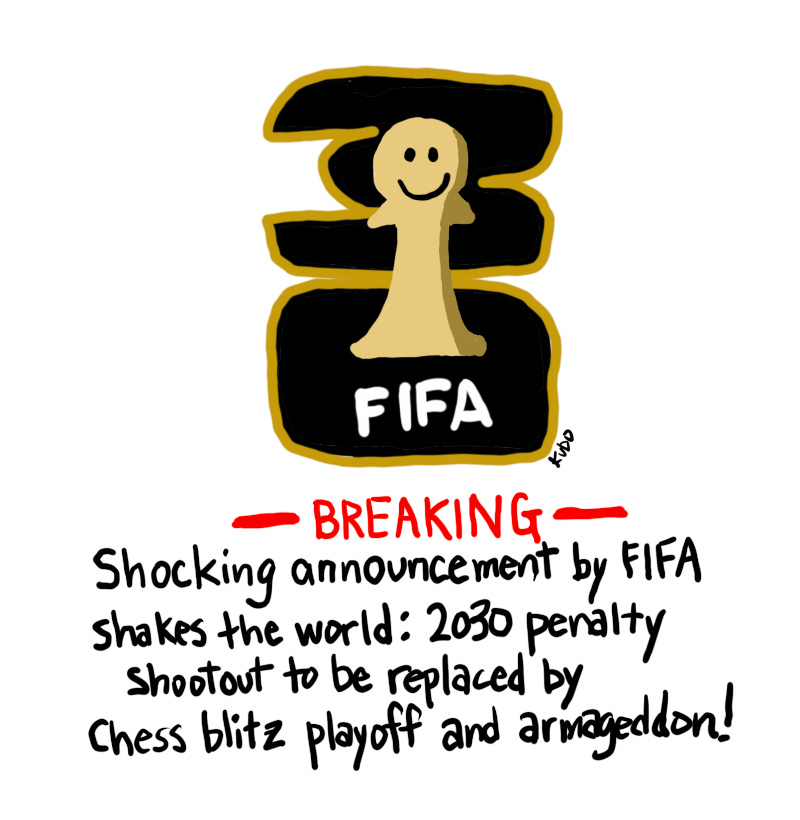
En Passant
GM Judit Polgar, the greatest woman chess player in history, was invited to be Hungary's next president, a largely ceremonial position with a maximum term of five years. On Sunday, Hungary's new Prime Minister Peter Magyar announced on social media that he would meet with her on Monday and would "consider it a tremendous honor if she accepts the invitation."
The 2026 U.S. Senior Women’s Championship is at the Saint Louis Chess Club. And its participants are making the most of their time in the chess capital of the United States. While they are fierce competitors — producing more decisive games than the players in two of the three concurrent championships — the senior women also are friends.
Did you know that Monday was International Chess Day, which commemorates the founding of FIDE in 1924. Every year on July 20, the global chess community comes together to celebrate International Chess Day, by staging a game in the most unusual, meaningful or symbolic places - whether on a mountaintop, beside a famous landmark, underwater or anywhere else that captures the imagination. Here are some inspiring examples provided by FIDE.
The FIDE Council has resolved to lift all existing restrictions previously imposed on the Belarus Chess Federation, effective immediately.
Sergei Tiviakov was the surprise winner of the 2026 Netherlands Chess Championships held at the Renaissance Amsterdam Schiphol Airport Hotel.
Problems, Problems, curated by Alexander George
G. E. Barbier and F. Saavedra, 1895
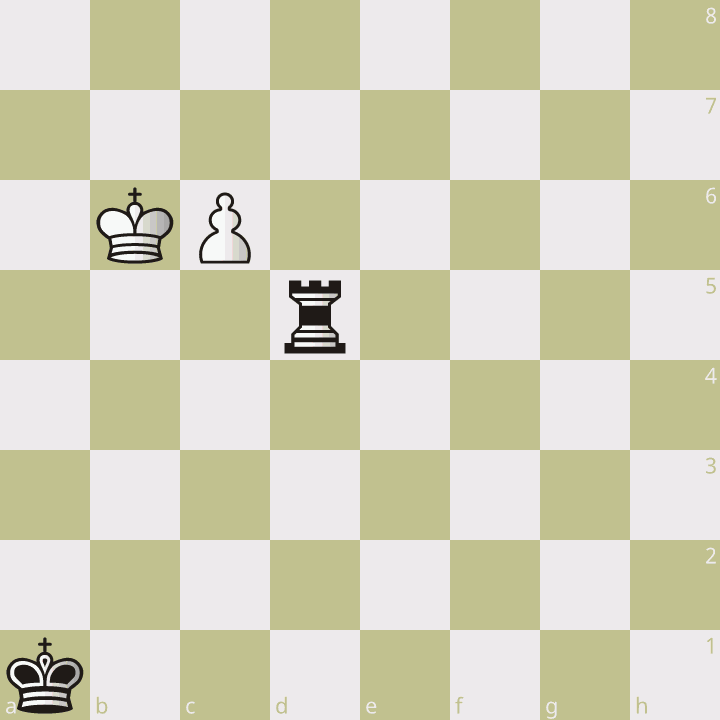
White to move and win.
This problem, one of the most famous endgame studies of all time, was not the result of deliberate composition but rather an accidental product of a misremembered game of chess. Its twisted history was first laid bare in a 1940 article in a Dutch chess problem magazine. For the full story, see Tim Krabbé's account.
---
Solution to last issue’s problem (L. van Vliet, 1888):
---
Alexander George
Editor’s Note
As always, if you have any feedback, comments, or would like to submit an article please contact us directly at td@marshallchessclub.org.
Enjoy, and thanks for reading!
The Marshall Chess Club
23 West Tenth Street New York, NY 10011
212.477.3716

Thanks for reading The Marshall Spectator! Subscribe for free to receive new posts and support the club.